Estes Park gateway

Estes Park Rocky Mountain Guide

The simplest way to put Rocky Mountain National Park at the center of the trip — and not let timed-entry, altitude, and the wrong corridor decide what kind of day you actually had.

RMNP

Rocky Mountain · Estes Park gateway

Rocky Mountain National Park

Alpine national park with timed-entry access from late spring through fall. Estes Park is the east-side base; expect early starts, weather swings, and altitude. NPS site →

Best rule: Choose one main corridor per day. Bear Lake, Trail Ridge Road, and the longer trailheads each need the cool morning hours; Estes Park supplies breakfast, dinner, the Riverwalk, and a bed near the east entrances.
Watercolor illustration of Rocky Mountain timed entry and Estes Park day choices

Gateway decision cue

Let entry timing, altitude, and layers pick the corridor

Rocky Mountain gets easier when the Bear Lake window, Trail Ridge weather, and hiking effort are chosen before breakfast. Estes handles the lower-pressure hours so the main park block has fewer surprises.

Park effort

Pick the corridor by mileage, altitude, and timed-entry pressure.

Rocky Mountain distances look manageable until elevation, parking, weather, and shuttle timing join the day. Choose the effort level before breakfast.

Easy

Bear Lake loop

Distance
About 0.6 miles around Bear Lake
Time
30–60 minutes with photos and shuttle timing
Effort
Short, high-elevation loop near 9,500 feet with parking and timed-entry pressure

This gives first-timers, kids, and altitude-sensitive visitors a real alpine lake without committing to a longer trail.

Moderate

Emerald Lake chain

Distance
About 3.6 miles round trip past Nymph and Dream Lakes
Time
2–3.5 hours for most hikers
Effort
Roughly 700 feet of gain, steps, ice or snow patches, and thin air

This is the classic Bear Lake hike when the group is ready for altitude and the morning corridor access is solved.

Moderate day trip

Trail Ridge Road

Distance
About 48 miles between Estes Park and Grand Lake across the park
Time
Half day to full day with pullouts, weather, and lunch stops
Effort
Mostly driving, but over 12,000 feet at the high point and exposed alpine weather

Trail Ridge needs its own day for high-country views, pullouts, lunch, and fast-changing weather without a hard hike stacked on top.

Easy

Moraine / Horseshoe wildlife edges

Distance
Short meadow walks and roadside pullouts near the east side
Time
45–90 minutes at dawn or dusk
Effort
Low mileage with early/late timing, wildlife distance, and road patience doing the work

This gives altitude-sensitive visitors a worthwhile park outing without committing to high mileage.

Reach the chosen corridor in the cool morning

Parking, timed-entry windows, and the best quiet light all reward earlier movement than a slow coffee morning usually allows.

Pick the corridor before the morning

Bear Lake, Trail Ridge, Moraine, and a headline hike each need enough room to be memorable. Choose one before the day starts, not at the trailhead.

Use Estes for the low-pressure parts of the day

Breakfast, mid-day shade, post-park dinner, and short elk-viewing loops work better from town than as another deep park push.

Choose the day before you enter

Bear Lake, Trail Ridge, headline hike, or wildlife edges

Rocky Mountain rewards one clear plan. Choose the day while the peaks still hold the cool morning light, then let the entry timing, lunch plan, and turnaround line up around it.

Bear Lake corridor

Lakes, short loops, and shuttle logic

Best for first-day visits and families. A Bear Lake Road reservation does not guarantee parking. Check the current in-park shuttle and separately ticketed Estes Park Hiker Shuttle rules before choosing the shore loop or Emerald Lake trail.

Trail Ridge Road

Trade hike depth for altitude

The highest continuous paved road in the United States can fill the day by itself: 48 miles one way, a 12,183-foot high point, tundra pullouts, fast-changing weather, and lunch near Grand Lake or the visitor center.

Headline hike

One real ambition, not three

Pick one (Sky Pond, Emerald Lake, Chasm Falls, Twin Sisters) and let everything else support it. Altitude punishes overconfidence; turnaround time is part of the plan.

Wildlife and edges

Elk hour, Moraine, Horseshoe

The park's quieter version. Look around Moraine Park or Horseshoe Park without promising a sighting, and keep at least 75 feet from wildlife or 120 feet from bears, moose, and mountain lions.

Three-day outline

Three days that are not the same day

A strong Rocky Mountain trip is rarely one all-day push repeated. Use arrival day for Lake Estes and town, the clearest morning for the main park outing, and the remaining day for wildlife, a shorter trail, or Trail Ridge Road if conditions allow.

1. Use arrival day for altitude, not ambition

Land in Estes, eat well, walk Lake Estes or the riverwalk, and go to bed early. Driving up to Bear Lake on the same day you fly into Denver from sea level is how the trip starts behind, not ahead.

2. Give the clearest morning to the park

Earliest start, your most-wanted corridor, and room to adjust if weather or crowds win the morning. A good Rocky Mountain trip almost always has one day that gets every advantage.

3. Keep one day below the high country

Look for wildlife at dawn or dusk, walk Lake Estes or the Riverwalk, and take a long lunch in town. A lower-elevation day is useful after Bear Lake or Trail Ridge Road, especially for visitors adjusting to altitude.

Rocky Mountain National Park overlook from an Estes Park tripAlpine wildlife near Estes Park
Estes Park restaurant evening after a Rocky Mountain day

Back in Estes Park

Use Estes for breakfast, the Riverwalk, and elk evenings

The town is rarely the headline of a Rocky Mountain trip, but it decides whether the park days feel easy or hard. Use it for breakfast before the gate, weather breaks, dinner, and short evening wildlife drives.

Breakfast before the timed-entry window

A few Estes breakfast spots open early enough to help before a timed-entry window. A real meal in town beats grabbing gas-station coffee at the park gate.

Midday shade on the Riverwalk

When altitude, weather, or sun cuts the park day short, the paths along Fall River and the Big Thompson lead toward coffee, shops, and dinner downtown.

Wildlife evenings without driving back deep

Elk in Moraine Park, Horseshoe Park overlooks, and the east-side meadow loops sit close enough to town that an evening trip stays light. You do not need to recommit to a full park day to see them.

What visitors get wrong

Four mistakes that cut into a Rocky Mountain day

Most Rocky Mountain regrets begin with a small assumption: that the permit can wait, the altitude will not matter, or two distant corridors will somehow fit before dinner.

Ignoring timed entry until the morning of

RMNP's timed-entry permit system controls access on most peak-season days. Check the current rules before you book lodging, not in the car at the gate.

Underestimating altitude

Estes Park is 7,522 feet, Bear Lake is 9,475, and Trail Ridge Road reaches 12,183. Visitors arriving from lower elevations should consider hydration, a slower hiking pace, and an easier first day.

Trying to do Bear Lake and Trail Ridge on the same day

Two of the park's headlines, each deserving its own pace. Combining them on one day is how a great trip turns into traffic, lukewarm photos, and a tired evening.

Skipping Estes for a remote rental

Cabins north or west of town can be beautiful, but they cost you breakfast, dinner, and the spontaneous evening drives that make Rocky Mountain trips memorable.

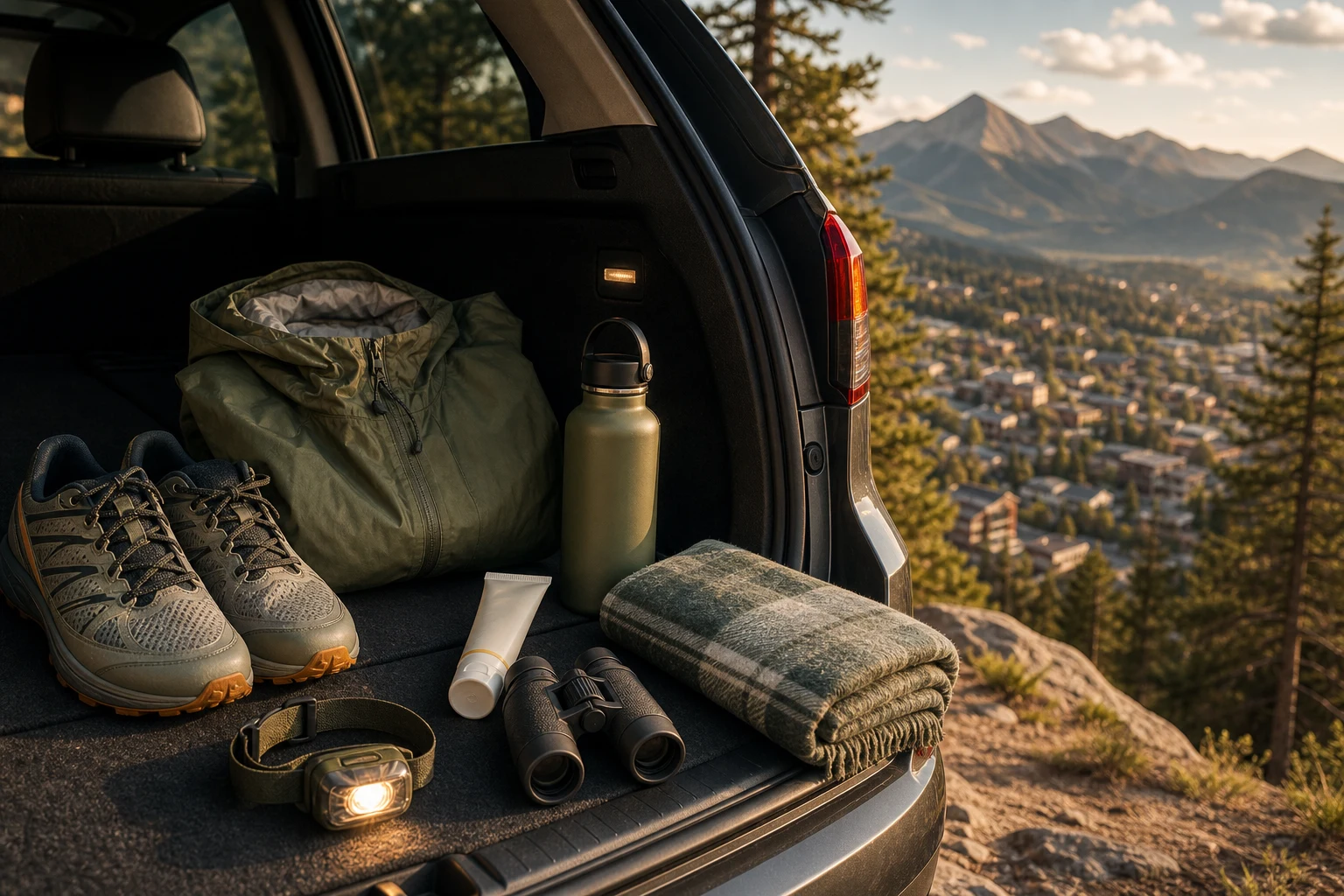
Pack for altitude, weather swings, and real mileage

Park days go better when you assume bigger temperature swings, quicker afternoon storms, more sun, and longer trail time than the first version of the plan usually imagines.

Use the park day to choose the rest of the trip

Match the hotel and dinner to the park corridor

How much of the trip belongs to the park, how much belongs to Estes, and where you sleep all bend around the same answer.

Estes Park Rocky Mountain FAQ

A few practical answers before you build an Estes Park trip around Rocky Mountain National Park.

01Is Estes Park a good place to stay if Rocky Mountain National Park is the main reason for the trip?+

Usually, yes. Estes Park has the broadest lodging and restaurant choice near the park’s east entrances, plus coffee and dinner within walking distance downtown. Bear Lake and Trail Ridge Road still require an early start and current access checks.

02Do you need timed-entry reservations for Rocky Mountain National Park?+

Sometimes, yes, depending on the season and corridor you want. Check the official park rules before you go, because timed-entry windows and Bear Lake access rules can change. Estes Park is easier when you know that answer before you book the whole day around assumptions.

03Should a first Estes Park trip stay downtown or farther out?+

Downtown is the safest first answer for most trips because it keeps dinner, coffee, and evening walking simple. Move farther out only if you clearly want more space, quieter nights, or a lake-edge feel that matters more than walkability.

04Is Trail Ridge Road always open?+

No. It is a seasonal high-alpine road, and snow or severe weather can close it even while Estes Park and lower park roads remain open. If crossing to Grand Lake matters, check the NPS road-status page that morning.

05Should I plan Bear Lake and Trail Ridge Road on the same day?+

Usually no for a first trip. Bear Lake rewards an early, focused morning with shuttle or parking planning. Trail Ridge Road is a high-alpine drive with pullouts, weather, and altitude. Splitting them makes both days calmer and more memorable.

06What should I do on the day I drive from Denver to Estes Park?+

Keep it lighter than your first full park day. Get to town, adjust to altitude, walk Lake Estes or downtown, eat a real dinner, confirm the next morning’s timed-entry and road details, and go to bed early.